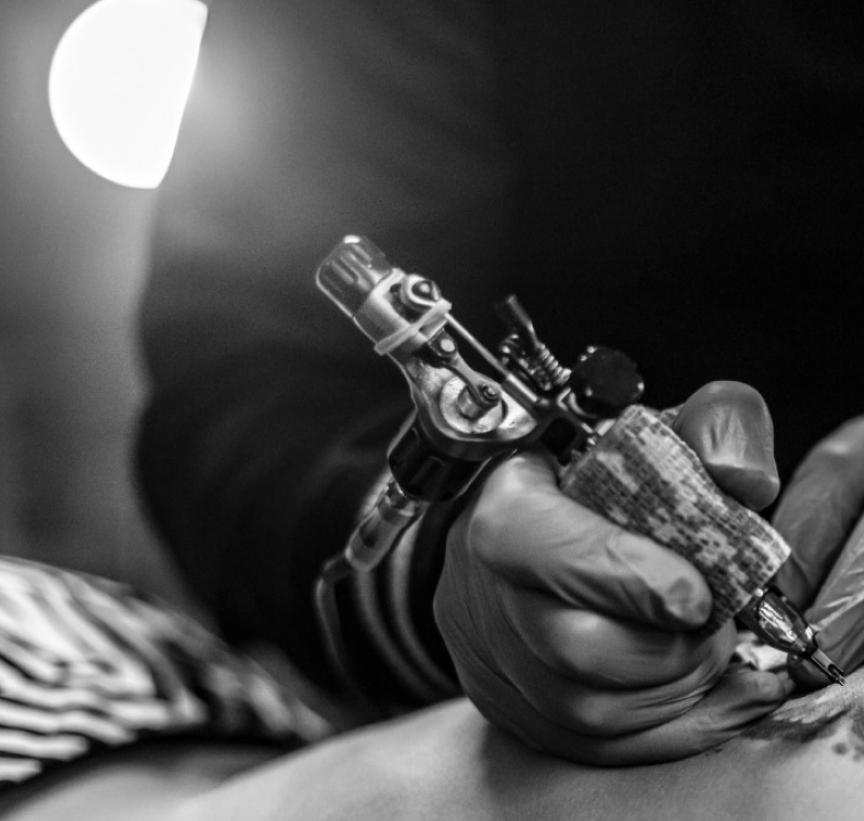
Fine Line Tattoo Features, History, And Related Styles
Fine line tattoos have revolutionized the tattoo industry, offering a unique blend of delicate artistry and precision. This style features thin lines that require an expert touch to produce striking designs, ranging from minimalist symbols to elaborate illustrations.
Many people are drawn to these tattoos for their subtle elegance and the level of skill they showcase.
With over a decade in the field, our team has seen firsthand how fine line tattoos allow for unparalleled creative expression. These tattoos not only highlight intricate details but also use negative space effectively to create depth and contrast in ways other styles cannot achieve.
Interested in learning more? Keep reading to uncover the history, defining features, and various styles of fine line tattoos.
Characteristics of Fine Line Tattoos
Fine line tattoos capture the essence of simplicity and precision. Artists often use a single needle to create intricate designs that stand out for their elegance.
Embrace of Thin and Delicate Lines
Thin line tattoos use fine, single needles to create intricate designs. These delicate lines focus on offering a minimalist and refined look. Thin line tattoo style relies on negative space to add contrast and depth.
Black and grey ink is often used to highlight these patterns.
Tattooists craft detailed images that retain clarity over time. Fine line style tattoos resist blurring or fading due to their simplicity. This precision makes them popular among collectors who appreciate subtlety and elegance in their body art choices.
Focus on Minimalistic Designs
Minimalistic designs simplify iconography into tiny, subtle tattoos. They often feature intricate and delicate lines with minimal shading. These tattoos usually include elements like minimalist animals, botanical features, geometric shapes, and abstract patterns.
Dr. Woo, a pioneer in this style, has popularized these elegant yet simple designs.
Fine line tattoo style offers more flexibility in size and tends to heal faster than bolder tattoos. Minimalist tattoos are typically small to medium-sized, making them a favored choice among tattoo collectors who appreciate subtlety and sophistication.
The simplicity of minimalism not only enhances the beauty but also ensures quicker healing times.
Use of a Single Needle
Tattoo artists use a single needle to create fine line tattoos. This method utilizes thin, round liner needles to achieve precise lines and intricate details. Single needle work allows the artist unparalleled control over shading and detail, resulting in designs that appear delicate and highly detailed.
Many collectors appreciate the artistry behind this technique. It offers a unique level of intricacy unmatched by other methods. Despite its challenges, using a single needle enables artists to produce stunningly realistic images, making it popular for those seeking minimalistic or micro-realism styles.
Exploring Fine Line Tattoos
Fine line tattoos have a rich and fascinating past, evolving from ancient techniques to modern artistry. Celebrities sport these delicate designs, showcasing their elegance and timeless appeal.
Tracing the History
Tattoo culture boasts a rich history, dating back to ancient civilizations. Ötzi the Iceman, mummified from around 3300 BCE, had 61 tattoos likely used for therapeutic purposes. Ancient societies like Egypt and Polynesia employed tattoos to signify social status and religious beliefs.
These early examples mark the enduring human desire for body art.
Fine line tattoos gained prominence in South California during the 1970s and 80s. Artists like Jack Rudy, Charlie Cartwright, Ed Hardy, and Freddy Negrete pioneered this style with their intricate single-needle techniques.
Their innovations laid the foundation for today’s fine line tattoo trends that continue to captivate enthusiasts worldwide.
Celebrity Influences
Celebrities like Hailey Bieber and Kendall Jenner have boosted the popularity of fine line tattoos. Their minimalistic designs inspire fans to opt for delicate ink. Examples include Rihanna’s motivational piece and Katy Perry’s Saturn-inspired tattoo.
Celebrities such as Drake also showcase these intricate styles, adding to their appeal.
Artists like Dr. Woo often work with stars, setting trends in the tattoo world. His work on celebrities such as Zoë Kravitz showcases how these tiny yet artistic tattoos can be both unique and meaningful.
Celebrity choices influence many, making fine line tattoos a sought-after style among collectors today.
Styles Featuring Fine Lines
Minimalism offers simplicity and elegance in its purest form through clean, crisp lines. Chicano style combines culture and art with intricate, detailed designs full of depth.
Minimalism
Artists like Dr. Woo have pioneered the Minimalism style, making it popular among tattoo enthusiasts. This approach simplifies iconography into tiny, subtle tattoos that speak volumes with their simplicity.
Favorite designs include minimalist animals, sleek botanical elements, and abstract patterns in geometric shapes. These tattoos are typically small to medium in size but offer more flexibility and quicker healing than traditional bolder tattoos.
The use of fine lines is critical in creating these delicate masterpieces. Artists rely on a single needle to ensure precision and delicacy. The resulting tattoos exude elegance without overwhelming the skin space they occupy.
Sunscreen is essential for maintaining the vibrancy of these fine line artworks due to their susceptibility to fading under UV exposure.
Chicano
Chicano tattoos emerged from Mexican culture in California and the prison system. Freddy Negrete helped to popularize these black and gray tattoos by showcasing his mastery of single-needle work.
His son, Isaiah, has continued this legacy, becoming a respected artist in his own right.
These tattoos often feature fine lines to create detailed images that highlight Chicano life and heritage. Influences come from East Los Angeles’ rich cultural tapestry. Modern tattooists like Chuco Moreno, Tamara Santibañez, and Spider Sinclaire honor this tradition through their intricate designs and dedication to the style.
Realism & micro-realism
Realism tattoos capture photo-realistic images on the skin. They breathe life into portraits, animals, and landscapes using fine lines and intricate details. Artists replicate the subject with remarkable accuracy, making these tattoos almost lifelike.
Realism can be in color or black and gray, depending on the preference of the wearer.
Micro-realism takes this precision to another level by focusing on smaller-scale designs. These tiny masterpieces still showcase incredible detail despite their size. Whether it’s a miniature animal portrait or a small scenic view, micro-realism requires an expert hand to achieve its stunning effect without losing clarity or impact.
Geometric
Geometric tattoos showcase the simplicity and elegance of minimalist designs. Artists use straightforward shapes like triangles, circles, and squares or create intricate patterns with a single, uninterrupted line.
These tattoos often appear monochrome but can also involve subtle shading to add depth.
Complex geometric styles in fine line tattoos demand precise skill. Artists utilize a single needle to craft meticulous details in these designs. Techniques focus on maintaining clarity and form over time, though proper care is essential as geometric elements may fade.
These components make geometric tattoos a distinctive choice for collectors seeking timeless artistry.
Considerations For Getting a Fine Line Tattoo
Tattoo artists use specialized techniques to achieve the fine detail in these tattoos. Artists must also consider how fading can affect the longevity of their work.
Proper techniques
Using proper techniques ensures the longevity and beauty of fine line tattoos. Here are some key techniques to keep in mind for achieving the best results:
- Use a Single Needle: Single needle tattoos provide high precision and control, perfect for intricate designs.
- Stippling and Dotwork: These methods create texture and depth using dots and small marks, essential for realistic shading.
- Linework: Executing clean, sharp lines is crucial in fine line tattoos to prevent fading or blurring over time.
- Cross-Hatching: This technique adds shading by crossing lines over each other, giving a sense of dimension.
- Proper Depth Control: Inserting needles neither too shallow nor too deep ensures that lines stay crisp without causing excess skin damage.
- Maintain Consistent Pressure: Uniform pressure throughout the tattoo process helps avoid variations in line thickness.
- Use High-Quality Ink: Superior inks reduce the risk of allergic reactions and ensure better color retention.
- Gentle Aftercare: Aftercare is extra important when it comes to healing fine line tattoos: this includes gentle washing, moisturizing, and ongoing sun protection to keep the tattoo vibrant.
- Regular Touch-Ups: Plan for occasional touch-ups to maintain the tattoo’s appearance as it naturally fades over time.
- Artist Experience Matters: An experienced artist familiar with single needle work guarantees superior execution and results.
Fading is a Consideration
Fine line tattoos can lose their vibrancy over time. Sun exposure plays a big role in this process. UV rays break down the ink, causing colors to fade. Applying sunscreen helps protect against these harmful rays.
Skin aging also affects tattoo clarity. As skin changes, fine lines may blur or spread out. Moisturizing regularly keeps skin healthy and prolongs the sharpness of the tattoo.
The healing process impacts longevity too. Proper aftercare is crucial for keeping the design looking fresh. Limiting water exposure and avoiding direct sunlight during initial healing stages are important steps.
Touch-ups help maintain crisp lines as well. Scheduling regular touch-up sessions ensures your tattoo stays as striking as it was on day one.
Plan for Touch-Ups
Regular touch-ups are essential for maintaining the sharpness and vibrancy of fine line tattoos. Fine details can fade over time due to sun exposure or natural skin shedding. Keep your tattoo looking fresh by scheduling touch-ups with your artist every one to two years.
Selecting an experienced artist guarantees better longevity for your tattoo. Proper aftercare also plays a crucial role in its maintenance. Use sunscreen daily on exposed areas and moisturize regularly to reduce fading, ensuring that the delicate lines stay crisp and defined for longer periods.
Conclusion: Finding The Right Fine Line Tattoo Artist
Fine line tattoos celebrate precision and artistry. Their delicate lines and minimalist designs create stunning visuals.
These tattoos require skilled artists who excel in creating detailed, intricate imagery on the skin.
We have several artists who specialize in creating high-quality custom fine line tattoos. Check them out and see work samples below.