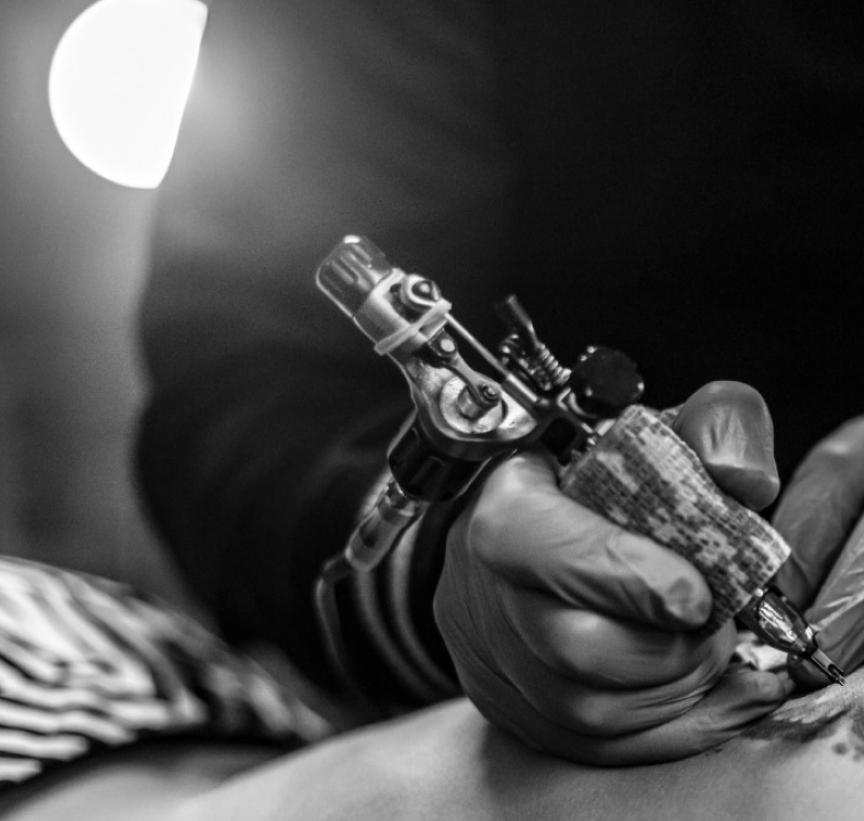
Chicano Tattoo Style: Characteristics, Themes & Subject Matter, History, And Examples
The Chicano style of ink work is particularly fascinating because it blends artistic flair with deep social commentary and cultural significance. Despite its historical ties to marginalization and rebellion against societal norms, this artwork has gained international fame for its beauty and depth. Let’s explore together what makes these designs stand out in the vast world of body artistry.
What is Chicano Style?
The Chicano tattoo style is more than just ink on skin. It tells stories of struggle, pride, and a rich culture that stretches back decades. Rooted in the Chicano community’s history, these tattoos are symbols of identity and resistance. They remind us of a group’s fight for recognition and respect in a world that often looked the other way. This unique art form combines elements from Mexican-American traditions with powerful messages about life, faith, and loyalty.
Explanation of Chicano Tattoo Style
Chicano tattoo style is a unique form of body art that emerged from Los Angeles, deeply rooted in Chicano culture. Artists often used improvised tattoo machines and ink in shades of black and blue to depict their lives’ challenges and the experiences of many Chicano men, including those who found themselves in prison.
This style showcases symbols like payasas, lowriders, women, guns, money, faith symbols like praying hands and sacred hearts, as well as sugar skulls. Each design tells a story of family, struggle, hope, love or faith.
Freddy Negrete stands out as a masterful Chicano tattoo artist who played a key role in moving this art form from street corners into professional tattoo shops. His impactful work laid the foundation for the global recognition that Chicano tattoos enjoy today.
Now artists around the world draw inspiration from this style, incorporating its detailed portraits and iconic imagery into their creations. Their work celebrates not just the artistic skill involved but also honors an important cultural identity tied to history and resilience.
Brief overview of themes and subject matter
The Chicano tattoo style explores a rich tapestry of themes, spotlighting iconography steeped in cultural symbolism. Icons such as smiling female clowns (payasas), lush roses, depictions of the Virgin Mary, and detailed rosaries are not merely artistic choices but narrate stories of devotion, beauty, struggle, and faith.
This art form honors the roots of Mexican-American heritage by drawing inspiration from historical works that focus on political strife, family bonds, and illustrations capturing the essence of daily life within the community.
Artists skilled in this tradition often explore narratives tied to the Mexican Revolution and Chicano Movement, ensuring their creations resonate with a lifestyle marked by resilience and activism.
The imagery goes beyond mere decoration to embody personal identities and collective history—a visual language connecting wearers with their ancestors’ struggles for rights and recognition.
In incorporating motifs from both traditional Mexican culture like Aztlán temples or symbols from Los Four muralists to representations inspired by modern struggles faced by Chicanos, these tattoos serve as permanent expressions of resistance, love, homage to forebears; moreover they stand as testament to ongoing aspirations for equity.
The History and Cultural Influences of Chicano Tattooing
Chicano tattooing blossomed from the vibrant stories and struggles of Mexican-American communities, weaving a rich tapestry of cultural symbols and historical references into its art.
Delve deeper to explore how these tattoos tell tales of identity, resistance, and creativity across generations.
How it originated in the Chicano community
The Chicano tattoo style has roots deep in gang culture from the 1960s, tracing back further to the Pachuco gang culture of the ’40s. These tattoos first appeared on bodies as symbols of identity and resistance among Mexican-Americans living in California, Texas, New Mexico, and Arizona during the ’50s.
They used sewing needles and black ink to inscribe their skin by hand with images that spoke of their struggles, pride, and cultural heritage.
This unique form of body art served as a powerful means for Mexican-Americans to express themselves and tell their stories. In these early days, prison inmates often transferred this craft outside walls upon release, spreading its influence across communities.
Over time, what began as simple black ink designs evolved into elaborate narratives covering bodies like murals cover walls in Chicano Park or echo through the lyrics of Ritchie Valens’ “La Bamba.” This evolution marked not just a style but an entire cultural movement—showcasing resilience, creativity, and unyielding pride among Chicanos through times of adversity.
Incorporation of cultural symbols and references
Chicano tattooing deeply integrates cultural symbols and references, reflecting the soul of the community. Icons like the Virgin of Guadalupe and Cesar Chavez often find their way into these designs, telling stories of faith, struggle, and resilience.
Tattoos portray life in slums and prisons as well as celebrate heroes from the Chicano political movement. This style honors mythological figures alongside religious symbols, weaving a rich tapestry that narrates both personal and collective histories.
Artists draw on a vast palette including elements from Mexican muralism influenced by legends like David Alfaro Siqueiros, Diego Rivera, and José Clemente Orozco. These tattoos go beyond mere decoration to act as storytellers on skin.
They preserve tales from past generations while embracing modernity, capturing everything from historical milestones to everyday moments within chicana/chicano communities.
A tattoo in this style is more than ink; it’s a statement of identity, heritage, and hope.
Evolution over time
From a term once seen negatively, Chicano tattooing has transformed into a badge of honor. This art form moved from simple marks to complex masterpieces over the years. Tattoos that started as crude drawings in slums and prisons now showcase refined craftsmanship.
Artists pull inspiration from life’s hardships, pride, and deep family connections.
Incorporating elements like religious symbols and portraits, modern Chicano tattoos blend street life with tradition. These designs often include cultural icons from Mexican-American history and expressions of personal struggles and achievements.
With each needle stroke, tattooists narrate stories of resilience, evolving this style far beyond its origins.
Characteristics and Iconography of Chicano Tattoos
Chicano tattoos stand out with their stark outlines and vibrant hues. They feature powerful symbols like faith figures, heritage emblems, and lifelike portraits.
Bold outlines and vivid colors
Tattoo artists bring Chicano designs to life with thick black outlines that grab your attention. These bold lines are a trademark, making each piece pop against the skin like a vivid painting.
In Chicano tattoos, colors leap out at you; they’re bright and impossible to miss. Artists use this combination to tell stories, blending tradition with eye-catching hues.
Vivid colors catch the eye and hold deep meanings within Chicano art. From the reds of passion and struggle to the blues of loyalty and perseverance, every color chosen has purpose.
Tattoo collectors appreciate these designs for their visual impact as well as their connection to Mexican-American culture. This style transforms simple ink into dynamic statements about identity and heritage, using both color and line work to create something truly unique.
Common subject matter (religious imagery, cultural symbols, portrait tattoos)
Chicano style tattoos stand out for their deep-rooted cultural significance and visually striking designs. These tattoos often feature religious imagery, cultural symbols, and portraits that tell a story or pay homage to heritage.
- Religious Imagery: Chicano tattoos frequently incorporate symbols of faith such as the Virgin Mary, showcasing devotion and reverence within the Mexican-American community. This imagery serves not only as a spiritual emblem but also connects wearers with their cultural identity.
- Payasas and Lowriders: Iconic symbols like smiling female clown faces (payasas) and intricately detailed lowrider cars speak volumes of the Chicano experience, blending elements of humor, sorrow, pride, and resilience.
- Women, Guns, Money: These motifs often appear in Chicano tattoo art, reflecting themes of love, power, wealth, and sometimes the struggles faced by those in marginalized communities.
- Praying Hands and Sacred Hearts: Symbols like praying hands and sacred hearts convey messages of faith, hope, loyalty, and love—fundamental values deeply engrained in the Chicano culture.
- Sugar Skulls: Originating from Dia de los Muertos (Day of the Dead), sugar skulls are vibrant representations celebrating departed loved ones. They embody the acceptance of death as part of life’s cycle and reflect a unique aesthetic full of color and life.
- Portrait Tattoos: Featuring influential figures from popular culture or personal heroes, portrait tattoos serve as a tribute or inspiration. From revered family members to iconic figures like Frida Kahlo or revolutionary leaders from El Movimiento (the Chicano movement), these tattoos immortalize individuals who have left an indelible mark on one’s life or society at large.
- Cultural Symbols: Incorporating elements like Aztec or Mayan patterns signifies a connection to ancient civilizations and Latin American ancestry. These designs often symbolize strength, wisdom, and a link to one’s historical roots.
- Script Tattoos: Chicano lettering or script that spells out meaningful words or phrases in elegant font styles is common practice, adding a personal touch or message to the artwork.
Each aspect mentioned captures aspects of both individual journeys and collective experiences within the Chicano community—rendering Chicano tattoos much more than mere body adornments but rather powerful statements of identity, belief systems, heritage.
Traditional Chicano style vs. modern variations
Traditional Chicano tattoos take their roots from the 1960s gang culture, showcasing bold expressions of identity and endurance. They often feature women, skulls, flowers, and religious figures, each symbol carrying deep significance within the community.
These designs stand out with their thick outlines and strong black and grey shading techniques, making them instantly recognizable.
The modern variations of this style have evolved to include more personalized themes that reflect individual experiences within the Chicano culture. Artists now incorporate stylized text and images into their work, blending traditional motifs with contemporary issues and aesthetics.
This evolution shows in tattoo shops across the country where artists like Willie Herrón III and Carlos Almaraz bring new dimensions to these iconic symbols. By integrating elements such as surrealism or hyper-realism into traditional subjects, they create a vibrant dialogue between past and present interpretations of Chicano artistry.
Examples of Chicano Tattoos
Discover Chicano tattoos through the eyes of renowned artists. Enter their studios to see how cultural symbols and deep meanings transform into stunning body art.
Showcase of popular Chicano artists and their work
Chicano tattoo artistry stands as a powerful form of self-expression, blending rich cultural heritage with stunning visual storytelling. Renowned artists within this genre have garnered global recognition for their unique contributions and mastery of the craft.
- Freddy Negrete shines as a pioneer in the Chicano tattoo world, celebrated for bringing the Virgin Mary to life with unparalleled depth through tears and portrait realism. His work bridges spiritual symbols with everyday struggles, offering a canvas that resonates deeply within the Mexican-American community.
- Mister Cartoon has become synonymous with the streetscapes of Los Angeles, depicting scenes filled with gangsters, masks, and intricate lettering in shades of black and grey. Each piece serves as a narrative snapshot, encapsulating elements of loyalty, hardship, and triumph.
- Chuco Moreno garners acclaim for his distinctive approach to payasas (clowns), ladyheads, roses, and floral motifs. Utilizing bold lines and dynamic shading techniques, Moreno’s tattoos blend traditional elements with modern aesthetics, capturing the essence of Chicano culture.
- Jose Araujo Martinez sets himself apart with his hyper-realistic gun and skull designs rendered in black and grey. His artistry showcases technical skill and explores themes of mortality and resilience amidst adversity.
You can find examples of Chicano style tattoos from our portfolio below.
Each artist brings their own vision to the forefront of Chicano art movement, transforming skin into canvases that tell stories of faith, identity, struggle, and beauty. Their work adorns the body and enriches the tapestry of contemporary tattooing while honoring their cultural roots.
Explanation of symbolism and meaning behind specific tattoo designs
Chicano tattoos carry deep symbolism that reflects both personal and cultural stories. Payasas, for example, are not just clown figures; they symbolize the balance of difficulty and happiness in life.
This concept speaks to the Chicano experience of finding joy amidst hardship. Sacred hearts and Virgin Mary tattoos go beyond their religious appearance to embody faith, protection, and a sense of belonging within the Roman Catholic community.
Sugar skulls and praying hands also hold significant meanings. During Día de los Muertos, sugar skulls represent departed loved ones, celebrating their lives with vibrant colors and intricate patterns.
Praying hands are a sign of hope and faith in times of struggle, often accompanied by rosary beads to emphasize spirituality.
Likewise, elements like lowriders and pit bulls more than just depict Los Angeles lifestyle icons; they express pride in Chicano culture’s creativity and resilience. Tattoos featuring cholos alongside chola babes capture themes of loyalty, love, and car culture’s central role within the community.
Impact and Popularity of Chicano Tattoo Style
Chicano tattoo art has spread far beyond the Mexican American communities, reaching people worldwide. Its unique blend of cultural symbols and detailed imagery inspires many artists and collectors across the globe.
Global appeal and recognition
The Chicano tattoo style has won the hearts of people everywhere. This art form crosses oceans and borders, reaching diverse crowds who find common ground in its striking imagery and deep storytelling.
Artists around the globe draw inspiration from this unique visual language, blending elements like prayer symbols from the Latinx community, geometrical patterns inspired by Mexican murals, and portraits reminiscent of Chicana and Chicano activists.
These tattoos tell rich stories that resonate with many cultures, making them a celebrated choice for collectors worldwide.
Its influence stretches far beyond the streets of Los Angeles or the valleys of Mexico to tattoo studios in cities across continents. From Europe to Asia, artists adopt techniques pioneered by chicano tattoo artists, incorporating subjects like lotus flowers symbolizing purity in Hinduism alongside traditional circular aztec designs or script lettering seen in protest art.
The global appeal speaks volumes about how culture can bridge gaps between individuals from all walks of life through the universal language of ink on skin.
Influence on other tattoo styles
Chicano tattoos have left a deep mark on body art, pushing other styles to adopt their rich, narrative-driven designs. Artists across the globe draw inspiration from this style’s storytelling depth, integrating cultural symbols and personal stories into their work.
This shift has led to a broader spectrum of tattoo art that values individual narratives as much as visual appeal, mirroring Chicano tattoos’ emphasis on both.
Chicano artists revolutionized the use of bold outlines and vibrant colors, and they also opened doors for incorporating icons from popular culture into various tattoo genres. Styles like Irezumi and Trash Polka now blend elements traditionally seen in Chicano tattoos with their unique aesthetics.
This fusion creates dynamic compositions that pay homage to Chicano influence while exploring new territories in tattoo design. Through these blends, tattoos have become more than just decorations; they are canvases telling tales of heritage, struggle, and triumph.
Representation in popular culture and media
Chicano tattoo style has made its mark on the big screen and in music videos, showcasing its rich culture to a wider audience. Movies like “American Me” spotlight Chicano art, bringing it into living rooms around the world.
This exposure helps break down stereotypes and builds cultural pride. Famous personalities sport these designs, further cementing their place in mainstream culture.
Artists such as Don Ed Hardy drew inspiration from this movement, blending Chicano themes with other styles like traditional Japanese tattoos and Sailor Jerry’s Americana. This fusion creates new tattoo genres that appeal globally.
Music groups associated with Chicano rock also display these iconic inkings, telling stories of heritage and struggle through their visual appeal.
Conclusion: Finding The Right Chicano Style Tattoo Artist
Chicano tattooing brings to light rich stories using skin as a canvas. Artists like Freddy Negrete and Mister Cartoon ink history, culture, and deeply personal tales onto their clients.
With bold black lines and vibrant colors, they capture everything from spiritual icons to street scenes. This art form honors its roots while embracing new influences. Chicano tattoos carry the legacy of an entire community’s struggle, pride, and artistic expression into the future.
We have several artists who specialize in creating high-quality custom Chicano style tattoos. Check them out and see work samples below.