
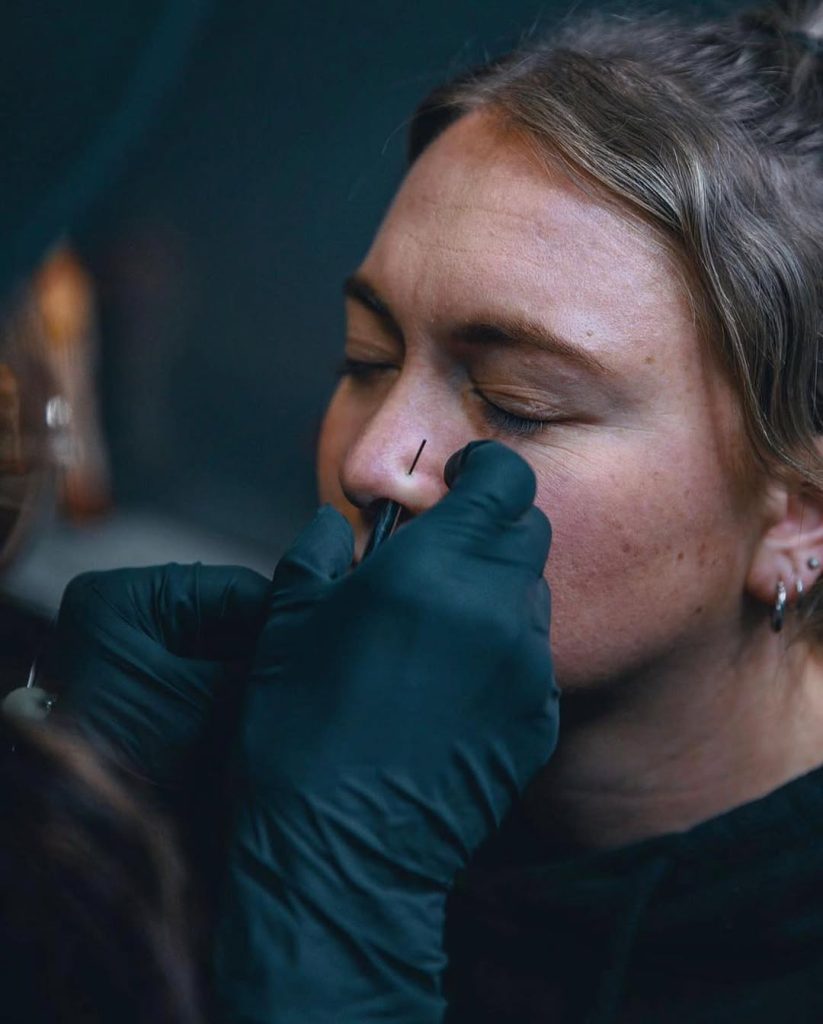
Understanding Piercing Healing Times
Think of every piercing as a tiny construction project. From the moment it’s done, your body begins repairing—skin layers knit back together, collagen strengthens the area, and new blood vessels grow to nourish fresh tissue. How quickly that process happens depends on where the piercing is placed, the quality of your jewelry, and how well you care for it day to day.
That’s why there’s no universal “six-week” rule. For some, that might be enough for the initial healing period, but for others, it’s only the first milestone. At Golden Child Tattoo & Piercing, we stay with you every step of the way, offering expert guidance and reassurance until your piercing is fully healed.
In general, soft-tissue piercings—like earlobes—tend to heal the fastest. Cartilage piercings, such as the helix or nostril, require more time and patience, while surface or torso piercings often fall somewhere in between.
What Determines Healing Time?
Several factors work together to shape how quickly your piercing heals. Some are built into your body’s biology, while others are completely within your control.
Circulation and Placement
Blood flow is one of the biggest influences. Soft tissue heals faster because it has rich circulation, while cartilage takes longer since it has less blood supply.
Jewelry Quality
Your jewelry isn’t just decoration—it’s part of the healing process. Implant-grade titanium or solid gold minimizes nickel-related irritation and swelling around the piercing, giving your body a clean start.
Aftercare Routine
Daily habits matter. Twice-daily sterile saline soaks are the safest way to clean your piercing, keep the area hydrated, and help cells repair more efficiently.
Lifestyle Factors
Some choices can slow recovery:
- Smoking
- High stress
- Inconsistent or poor sleep
And forget the old “twist it so it doesn’t stick” advice—that’s a myth. Let your piercing rest and heal without interference.
Nutrition & Immunity Support
Healing is an inside job. Staying hydrated and eating nutrient-rich foods speeds recovery and supports collagen production.
- Water: Aim for 75–90 oz daily.
- Zinc: Pumpkin seeds, chickpeas.
- Vitamin C: Citrus, bell peppers.
Proper hydration and micronutrient intake reduce soft-tissue recovery times significantly. Pair that with 7–9 hours of quality sleep, and you give your body exactly what it needs for strong, lasting healing.
Average Healing Times for Different Piercings
Every piercing has its own pace. The time it takes to fully heal depends on its location, your jewelry quality, and how closely you follow aftercare. The ranges below assume you’re wearing implant-grade titanium and keeping up with consistent care.
| Placement | Typical Range | When It Feels Healed |
|---|---|---|
| Ear Lobes | 6–8 weeks | Sleeping on them is painless for two weeks straight |
| Helix / Cartilage | 4–6 months | No redness after a full work week |
| Rook / Industrial | 6–9 months | Jewelry turns freely without a pinch |
| Septum | 6–12 weeks | Deep breath, zero stinging |
| Tongue | 4–6 weeks | Speaking and eating without swelling |
| Navel | 6–9 months | Full twist without pinch |
| Dermal / Surface | 6–12 months | Edges sit flush, no tenderness |
| Eyebrow | 6–8 weeks | Opening eyes wide feels normal |
| Nipples | 6–12 months | Shower water doesn’t sting |
Week‑by‑Week Healing Milestones
Healing happens in stages, and knowing what’s normal can make the process far less stressful. Use this as a quick reference to track your progress and keep your piercing on the right path.
| Stage | What You’ll Notice | Care Focus |
|---|---|---|
| Days 1–3 | Warmth, light spotting | Cold compress, don’t remove jewellery |
| Days 4–14 | Clear “crust,” dull itch | Saline soaks 2× daily, hands off |
| Weeks 3–4 | Reduced swelling, no bleeding | Check threaded ends; avoid sleeping pressure |
| Months 2–3 | Tissue begins to tighten | Assess for downsizing; book a health check |
| After the full timeline | Channel feels smooth for 14 days straight | Switch jewellery in‑studio; resume normal cleaning |
Factors That Affect Healing Duration
Even with perfect aftercare, certain everyday habits and choices can speed up—or slow down—your piercing’s healing time. Understanding these factors helps you avoid setbacks and know when it’s time to check in with us.
Initial Swelling & Bleeding
A small amount of blood or spotting in the first 24 hours is perfectly normal. If bleeding continues beyond that, or suddenly reappears later, it’s a sign to reach out for a quick assessment.
Sleep Position
If you’re a side sleeper, your pillow can put constant pressure on cartilage piercings. This slows healing and can even change the angle. A donut-shaped travel pillow lets you sleep comfortably without crushing the area.
Physical Activity
High-impact workouts, contact sports, or even vigorous yoga can tug on jewelry. To protect your piercing, cover it with breathable medical tape during activity and remove the covering as soon as you’re done.
Jewelry Material Changes
If you want to switch from implant-grade titanium to 14K gold before your piercing is fully healed, it’s possible—but it needs to be done in-studio. We’ll handle the sterilization, check sizing, and often recommend a downsize at the same time to improve comfort and healing.
Piercing Pain & Bleeding: What’s Normal vs. Warning
Some discomfort and minor bleeding are part of the healing process, especially in the first few days. Knowing what’s expected—and what’s a red flag—can help you act quickly if something’s not right.
Immediate vs. Delayed Bleeding
Minor oozing within the first few hours is normal. If bleeding resurfaces after day 2 or soaks a bandage, book a same-day check.
Pain Scale by Placement
| Placement | Typical Pain Window | Tip |
|---|---|---|
| Lobe | 2–3 days, mild | Sleep on the opposite side |
| Cartilage | 7–10 days, moderate | Use a U‑shaped travel pillow |
| Tongue | 3–5 days, moderate (swelling) | Ice chips & non‑alcoholic mouthwash |
| Navel / Dermal | 4–7 days, dull ache | Loose, high‑waist clothing |
If pain spikes suddenly, or you notice throbbing warmth after the initial window, contact your piercing studio or physician right away.
Aftercare for Ear Piercings
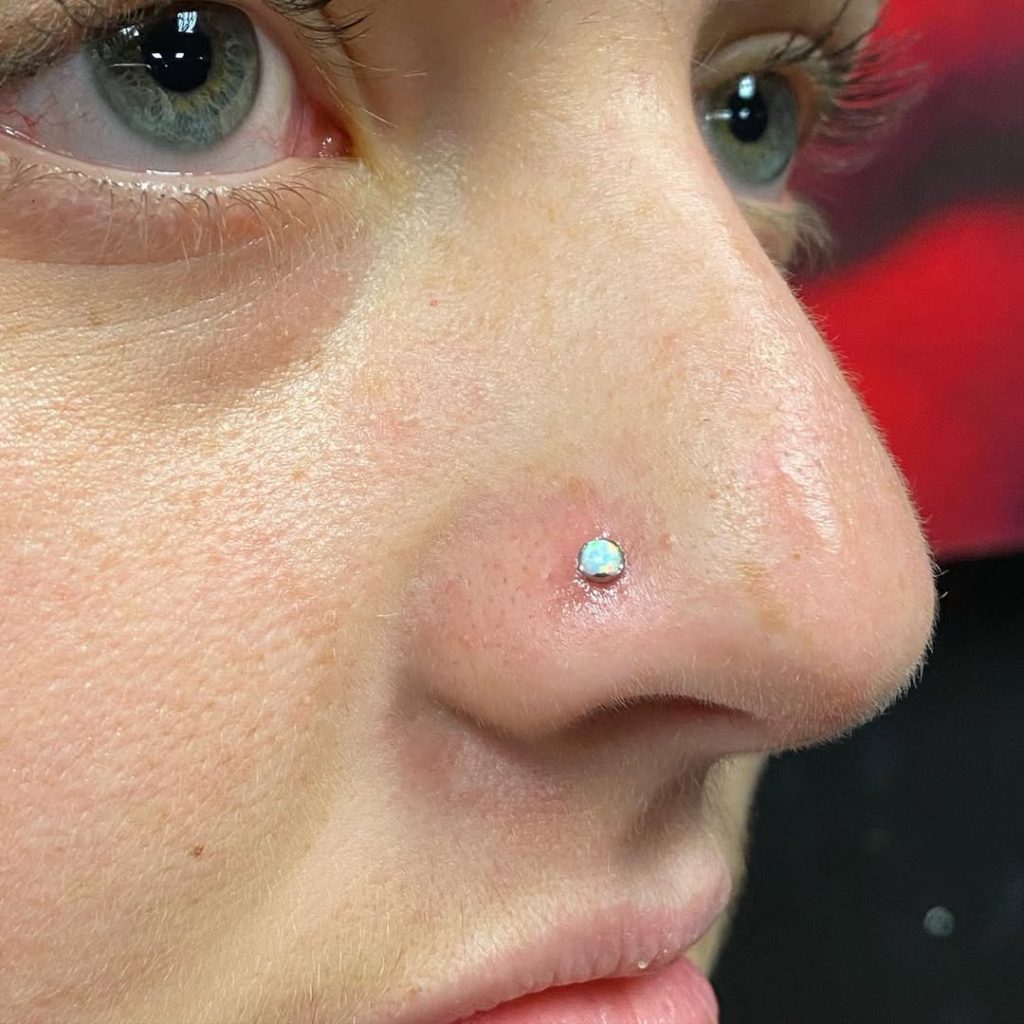
Your new ear piercing is a small investment in self-expression, and how you care for it in the first few months will shape how well it heals. A gentle, consistent routine is your best friend here—nothing complicated, just mindful care every day.
Essential Aftercare Steps
- Clean with sterile saline in the morning and before bed.
- Rinse away sweat, sunscreen, or shampoo, especially from the back of your ear, as soon as possible.
- Pat dry with a clean paper towel—never twist or turn the jewelry.
- Once a week, with clean hands, check threaded ends so beads or gems don’t loosen.
How to Rinse with Saline
Wash your hands for at least 20 seconds before you start. Aim the sterile spray at both the entry and exit holes, allowing the solution to drip naturally—no wiping needed. Then let the area air-dry or gently dab with disposable gauze.
Common Mistakes to Avoid
Some habits can slow your healing or even cause setbacks:
- Sleeping directly on fresh cartilage piercings.
- Over-cleaning with alcohol or peroxide can damage healthy cells.
- Switching from studs to hoops before the piercing has fully healed. If you’re ready for a change, come see us so we can make the swap safely.
What to Expect While Healing
Mild redness, a bit of clear “crust,” and a dull itch are all signs your body is repairing as it should. But if you notice sharp pain, heat, or yellow-green discharge, snap a quick photo and text it to us—we’ll guide you and, if needed, book a same-day check.
???? READY FOR YOUR NEXT EAR PIERCING?
TRUST SAN DIEGO’S PREMIER STUDIO FOR A SAFE, PROFESSIONAL EXPERIENCE
Book Your Ear Piercing Appointment
???? Golden Child Tattoo & Piercing · Downtown Escondido
⭐ Voted One of San Diego’s Best Studios
???? Certified · Safe · Clean
???? Personalized Placement & Jewelry
Body Piercing Aftercare
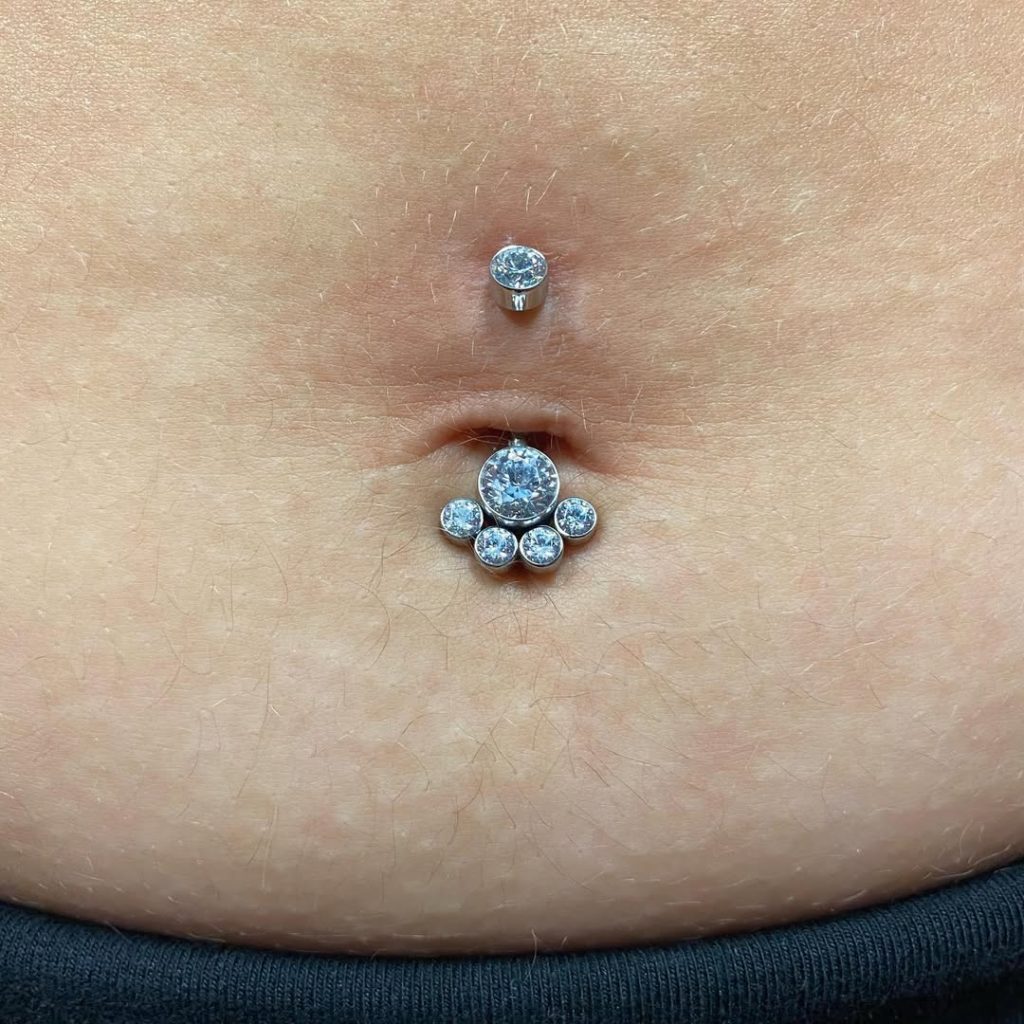
Healing a body piercing takes patience and a little extra attention to your daily routine. Each placement has its own quirks, so small adjustments can make a big difference in comfort and recovery.
When it comes to different body piercings, here are a few placement-specific tips to help you heal smoothly:
- Navel — Wear high-waisted or loose-fitting pants to avoid snagging or constant pressure.
- Nipples — Rinse away sweat after workouts, and stick to breathable cotton bras or bralettes.
- Tongue — Skip spicy foods for the first week, and do gentle salt-water rinses after meals.
- Eyebrow — Hold off on brow makeup until the skin has fully closed.
- Surface / Bridge — Avoid heavy glasses or face masks that rest against the jewelry.
Long-Term Care for Body Piercings
Just because your piercing has “officially” healed doesn’t mean you can forget about it. Skin and tissue continue to adapt around the jewelry for months, and maintaining good habits will keep your piercing healthy for the long haul.
Keep a travel-size sterile saline spray with you for quick rinses after swimming, sweating, or traveling. At home, give your jewelry a monthly soak to remove buildup that normal washing might miss. For piercings in high-movement or friction areas—like the navel, nipples, or surface piercings—check the jewelry’s fit regularly to ensure it hasn’t shifted or loosened.
If you decide to change your jewelry before or after full healing, have it done in-studio so a professional can ensure proper sizing, sterilization, and safe handling. Long-term piercing health is about more than just the healing phase—it’s about keeping your piercing looking and feeling its best for years to come.
Signs of Infection to Watch For
A little redness or tenderness is completely normal in the early stages of healing—on its own, it’s not an infection. What matters is the combination and persistence of symptoms.
Watch for:
- Persistent heat and swelling beyond day 3
- Thick, green or yellow discharge instead of clear fluid
- Throbbing pain that intensifies or begins to spread
- Fever or chills alongside localized irritation
If you notice any of these signs, visit your healthcare provider promptly. Even with hospital-grade sterilization and single-use needles, the body’s response can vary, and catching potential infections early makes all the difference.
How Long Do Piercings Take to Heal?
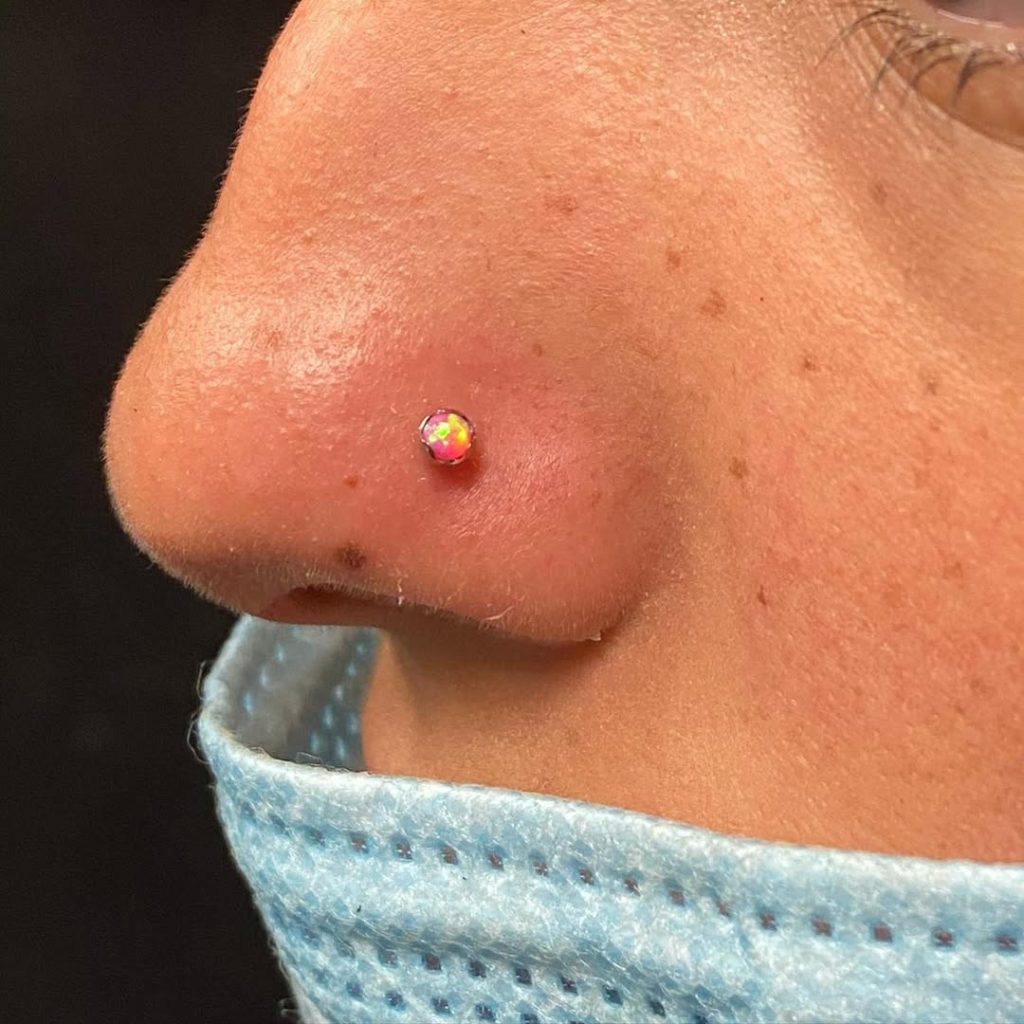
Healing isn’t just about when a piercing feels comfortable—it’s about when the tissue is strong enough to handle jewelry changes without risk. Different placements have very different timelines, and patience is the secret to lasting results.
Ear Lobe Piercings
Lobes can be deceiving. They might feel perfectly fine within two weeks, but the channel is still fragile inside. Lobes usually heal faster than cartilage but still need the full 6–8 weeks, so keep your starter studs in for the full duration, cleaning twice daily. Only after that should you consider a safe change or downsize with a professional.
Cartilage Piercings
Cartilage piercings—like the helix, tragus, or conch—require extra patience. Four months is typical, and six months isn’t unusual. Sleep with a donut pillow to reduce pressure, stick with implant-grade titanium, and mark small healing milestones along the way.
Body Piercings
Surface and torso piercings combine elements of both cartilage and soft tissue, which means they need a longer window—typically 6–9 months. Loose fabrics, gentle saline soaks, and quarterly check-ins can make a huge difference. Think of it as an investment: great art lasts forever, and so does the care you put into keeping it healthy.
When Is My Piercing Truly Healed?
Feeling good and being fully healed aren’t always the same thing. Before you make any jewelry changes, run this quick three-point check:
- No discharge or crust for at least 14 consecutive days.
- The channel feels smooth when gently pressed—no “snag” or gritty sensation.
- Jewelry rotates or moves freely without any discomfort.
If all three are a yes, your piercing is ready for a change, ideally with a professional downsizing service to ensure the perfect fit.
Safe Jewelry Change Guide
Switching jewelry is exciting, but doing it safely protects all the healing you’ve worked for.
- Wait until the full healing timeline for your placement has passed, or have the change done in-studio.
- Make sure the new jewelry is sterilized and made from implant-grade titanium or solid 14K gold.
- Wash your hands (and any tools) before touching the area.
- If downsizing posts, choose shorter bars to reduce snags and help the tissue tighten fully.
Keeping Your Piercing Healthy
A healthy piercing isn’t just about getting through the initial healing—it’s about protecting it for the long term. Good habits and reliable information make all the difference.
Dos and Don’ts of Piercing Care
There are a few golden rules worth following:
Do:
- Wash your hands before touching your jewelry.
- Use sterile saline only—never homemade salt mixes.
Don’t:
- Spin, pivot, or twist jewelry; it can tear delicate healing tissue.
- Apply antibiotic ointments; they trap bacteria and block airflow.
Piercing Myths Debunked
Some common advice does more harm than good:
| Myth | Reality |
|---|---|
| “Twisting keeps the hole open.” | Motion tears healing tissue—leave jewellery still. |
| “Sea‑salt DIY soaks are the same as sterile spray.” | Home mixes fluctuate in salinity and cleanliness; use lab‑tested saline. |
| “Alcohol cleans best.” | Alcohol dehydrates and delays epithelialisation; stick to saline. |
When to Seek Professional Help
Reach out if you notice:
- Bleeding that lasts beyond the first day
- Sudden, intense pain
- Bump growth or migration of the jewelry
- Jewelry threads becoming visible outside the skin
Maintaining Piercing Hygiene Long-Term
Once your piercing has fully healed, keep it in top shape by downsizing any long posts, switching to gold for style and comfort, and cleaning your jewelry monthly. Warm-water soaks and a soft brush will help maintain its shine and prevent buildup.
Gentle Outings While You Heal
Just because you’re healing doesn’t mean you have to stay home. The key is choosing activities that are low-impact, climate-controlled, and won’t put pressure on your new piercing. Here are a few local spots perfect for a safe, easy day out:
- San Diego Children’s Discovery Museum – Indoor, hands-on exhibits in blissful AC—great for keeping cool and comfortable.
- Escondido History Center – Shaded walking paths and gentle strolling make it easy to enjoy without overexerting yourself.
- California Center for the Arts, Escondido – Catch a matinee in cushioned seats that are especially comfortable if you’re healing a torso or surface piercing.
A little fresh air, art, and culture can be just what you need—without putting your new piercing at risk.
✨ READY FOR YOUR NEXT PIERCING?
SAFE, STUNNING, AND TRUSTED BY SAN DIEGO
Every piercing at Golden Child is designed with care, precision, and your comfort in mind. From the jewelry we select to the calm, private environment we create, you can feel confident that your experience will be as safe as it is memorable.
Book Your Piercing Appointment
⭐ 4.7 Rating on Yelp (200+ Reviews)
???? Implant-Grade Jewelry Only
???? APP Gold Standard Aftercare
Stay golden. Craft your legend—one safe, stunning piercing at a time.


